
As we continue celebrating 20 years of Stitch Above the Rest, we’ve found ourselves lingering on a few of the projects that helped shape who we are today, like the award-winning curved cornice and drapery combination we featured. These are the homes and stories that remind us why we fell in love with this craft in the first place, and why we still care so deeply about doing things the right way every single time.
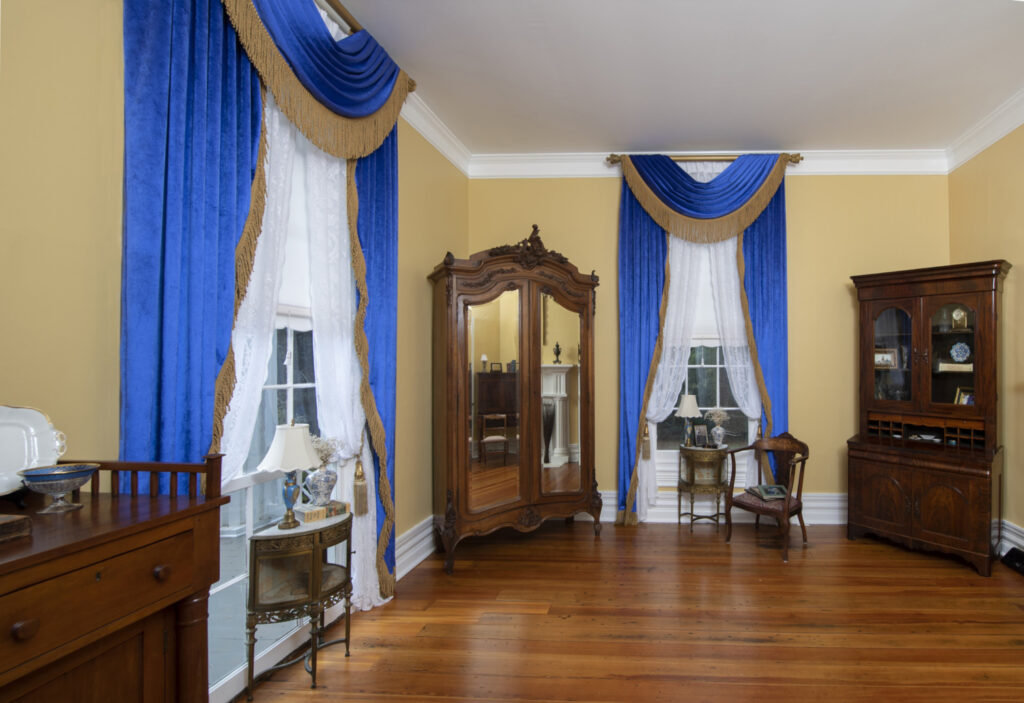
Margaretta Hall is a remarkable home in Rome, Georgia, built in 1840 and later used as a hospital by both sides during the Civil War. That rare role is the very reason the home survived, spared from destruction and preserved for future generations. In 1975, Margaretta Hall was placed on the National Register of Historic Places, formally affirming its place in history.
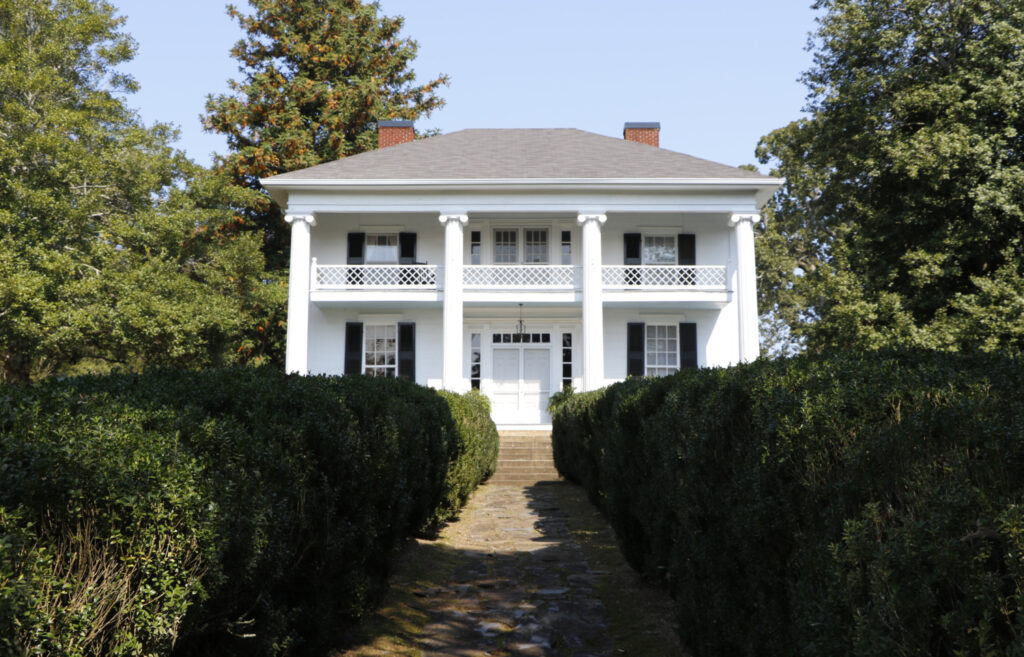
When the new homeowners stepped inside, they didn’t just see a historic property. They saw a legacy worth restoring. Their goal was to renovate the home room by room and bring her back to her original beauty. They tackled much of the transformation themselves, but brought in trusted specialists for the elements that required exceptional historic sensitivity and precision, including the window treatments.
The Vision: Authentic Elegant and True to the Era
From the beginning, the homeowners had a clear dream. They wanted the windows to feel like they belonged in the 1800s, not historically inspired, but historically faithful. Together, we dug through books of period window treatments, exploring the kinds of layers, silhouettes, and ornamentation that would have been at home in a residence built during the 1840s.
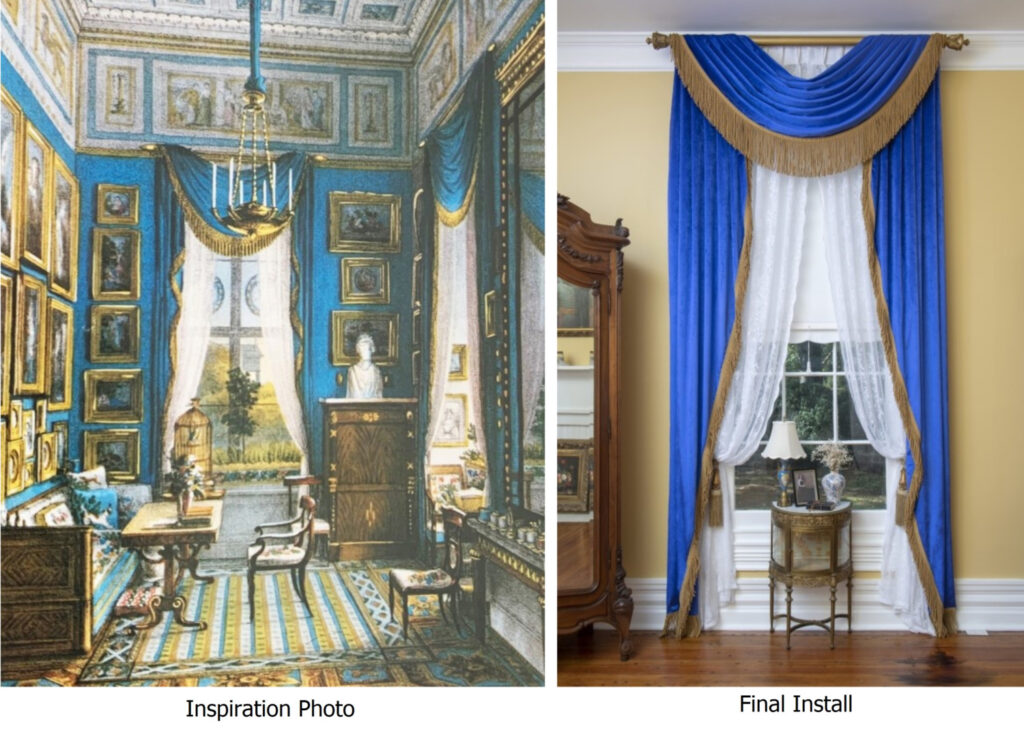
One particular treatment captured their hearts. It was an elegant design dated from 1820 to 1840 featuring jabots and richly layered swags. The moment they saw it, they knew it was the one. But could I recreate such a look?
My answer was simple. “I can make anything you fall in love with.”
Designing the Treatment: Velvet Lace Trim and a Lot of Intention
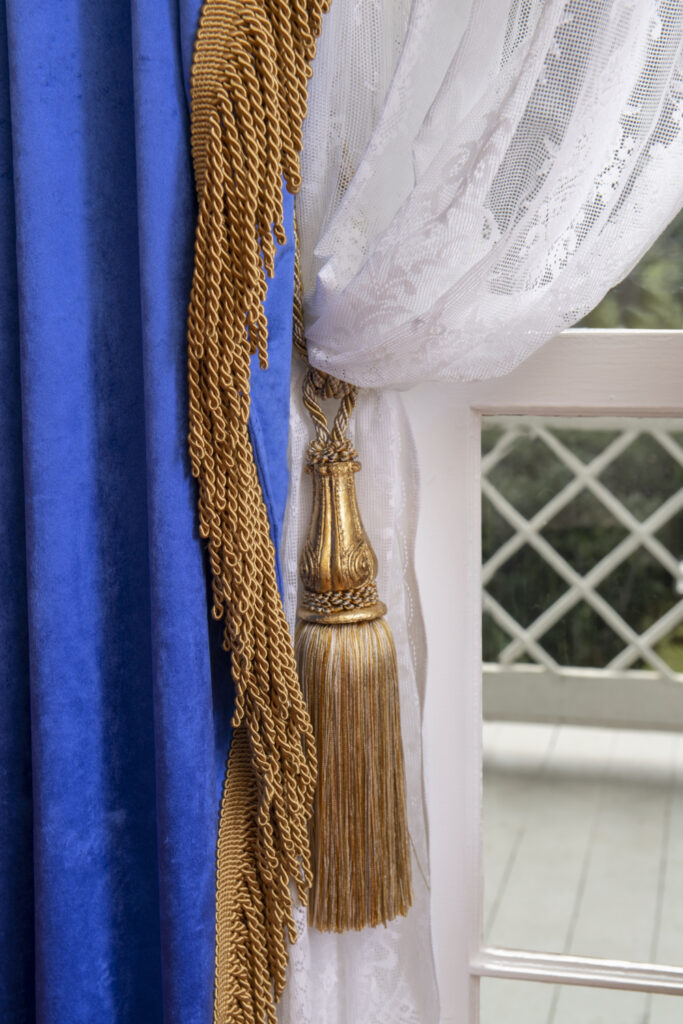
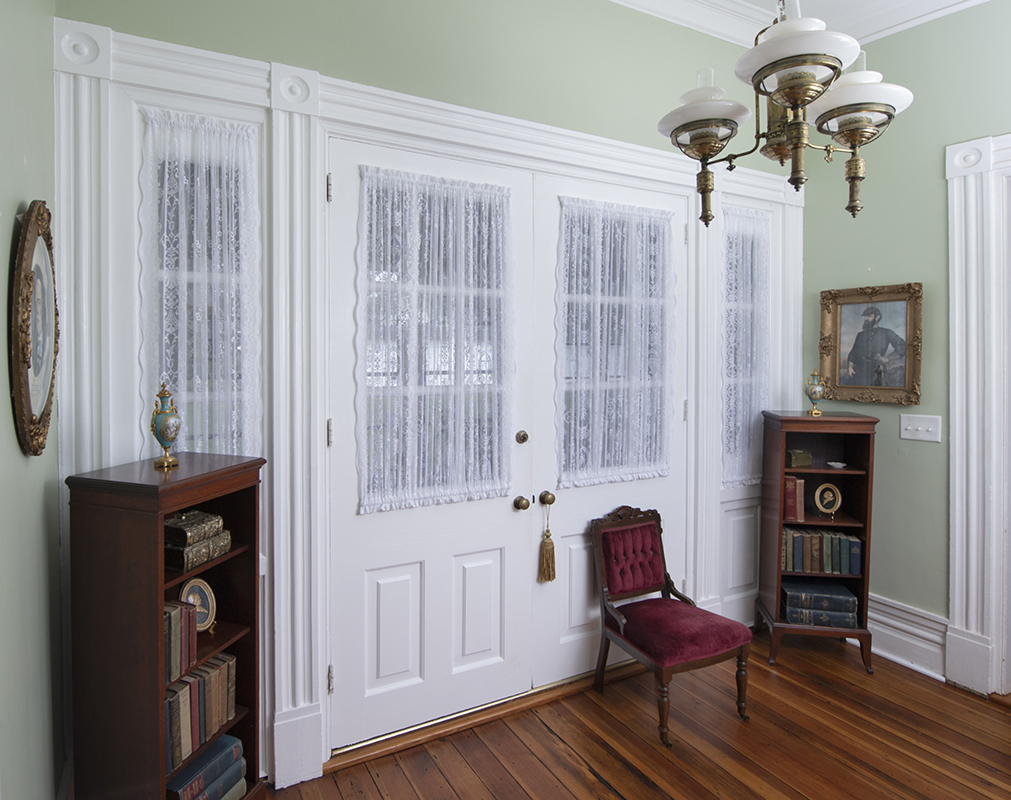
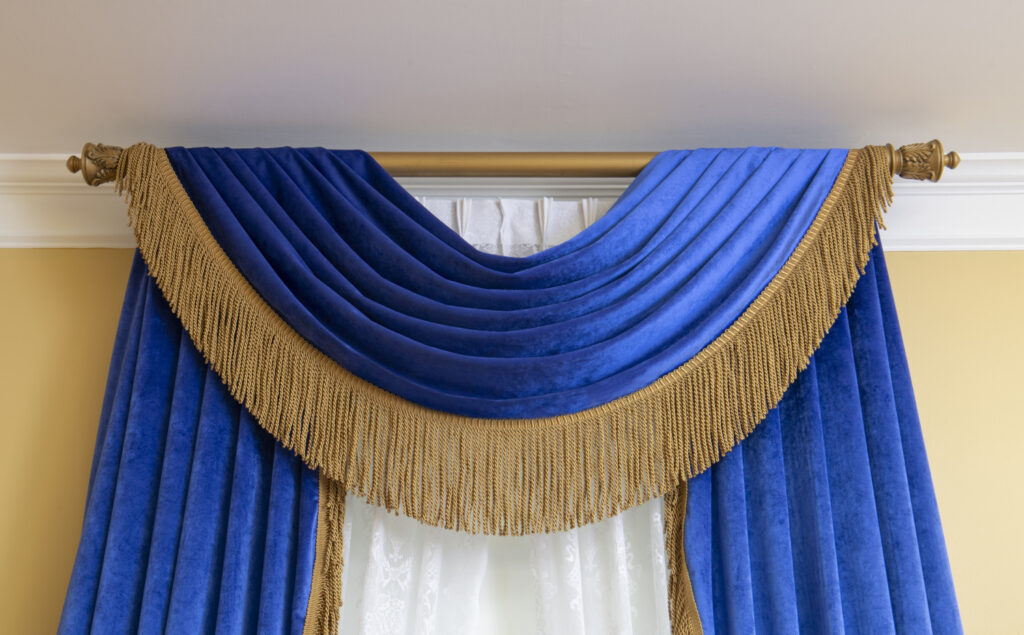
Once the historic inspiration was chosen, we began refining the design to suit this home and these rooms. We selected the colors, trim, hardware, and lace carefully so the treatments would feel both authentic and beautifully integrated into the homeowners’ renovation choices. The final composition layered royal blue velvet swags finished with gold bullion fringe, paired with lace sheers beneath to soften the light while still honoring the era. Historic style trim and finials brought the whole look together, and coordinated holdbacks ensured the sheers stayed graceful, tailored, and true to the period.
The Challenge: Not All Historic Windows Are the Same
One of the most interesting parts of working in a home like Margaretta Hall is that the architecture tells its own story. Even within the same room, the two windows weren’t identical.
One window functioned like a traditional window. The other was a walkout door, opening from the floor up and allowing access directly to the porch. Because the moldings and structural proportions differed, we had to fabricate each treatment with subtle adjustments so they looked harmonious, even though the windows themselves were not.
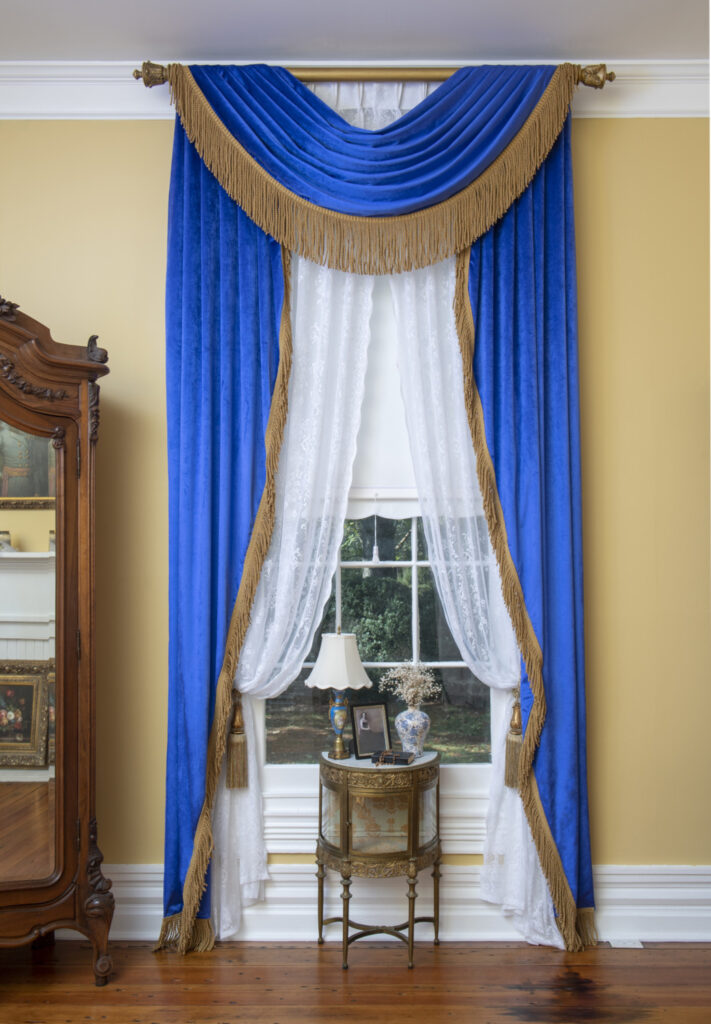
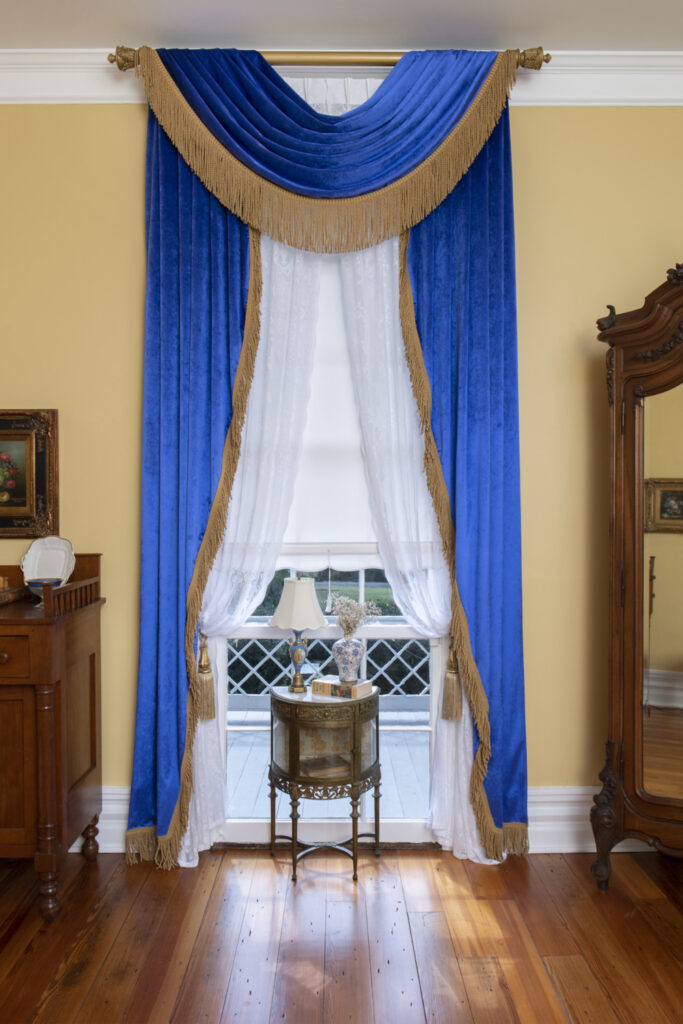
True custom means designing for the realities of a historic home. Though these two openings weren’t identical, subtle adjustments in scale and placement allow the treatments to read as perfectly harmonious side by side.
That’s where true custom work shines. Design that honors the realities of the space while keeping the finished effect consistent and intentional.
The Reveal: A Room Transformed
The moment these treatments were installed, the room was completely redefined. The velvet brought richness and drama. The lace introduced softness and romance. The trim and fringe anchored everything in the historical narrative of the home.
It wasn’t just beautiful window treatments. It was a transformation that made the entire space feel complete, like Margaretta Hall was being welcomed back into herself.
A Grateful Note
As we celebrate 20 years of Stitch Above the Rest, I keep returning to projects like this one. Not because they’re the most ornate or complex (though this one certainly was), but because they remind me what custom work can be. Timeless, meaningful, and deeply personal.
I feel incredibly grateful to have been entrusted with this space and this vision, and to have played even a small part in Margaretta Hall’s continued legacy.
If you’d love more behind-the-scenes stories like this one, be sure to join our mailing list so you never miss a new project highlight, throwback, or workroom peek.
 A Sculptural Cornice That Stands Out